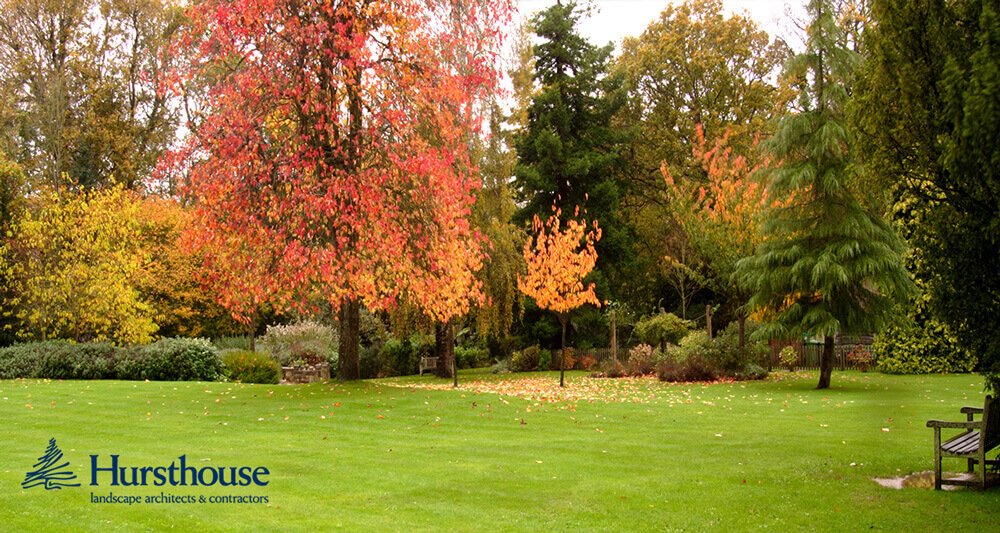
Fall is one of the most important seasons for your landscape. In the Chicago area, cooler temperatures and shorter days create an ideal window for preparing your property for winter while setting the stage for a healthy, beautiful spring.
Some fall landscape tasks are simple enough to handle yourself. Others, particularly those involving mature plantings, irrigation, drainage, hardscaping or larger landscape improvements, are worth bringing in a professional.
Here are five things to put on your fall landscape checklist.
1. Plant Trees, Shrubs and Perennials
Fall can be an excellent time to add new plants to your landscape. With cooler air temperatures and warmer soil, plants have an opportunity to establish their root systems before the ground freezes.
Consider fall planting if you have:
- Trees or shrubs that need to be replaced
- Areas that need additional screening or privacy
- Planting beds that feel unfinished or disconnected from the architecture
- Perennials or ornamental grasses you’d like to add
- Areas of the landscape that need more seasonal interest
Fall is also a good time to take a step back and evaluate your landscape as a whole. If certain areas consistently struggle, look at the conditions rather than simply replacing the plants. Sun exposure, drainage, soil conditions and plant selection can all affect long-term success.
When to call a professional: If you’re considering a larger planting project, privacy screen, foundation planting or complete garden redesign, fall is a great time to begin the planning process.
2. Clean Up Your Garden Beds — But Don’t Cut Everything Back
Fall cleanup is about more than making everything look tidy.
Remove spent annuals, manage weeds and clear diseased plant material, but avoid cutting every perennial and ornamental grass to the ground. Many plants provide valuable winter structure and can add visual interest to the landscape throughout the colder months.
A thoughtful fall cleanup should balance plant health, winter interest and habitat.
Mulch can also be refreshed where needed. A properly applied layer of mulch can help insulate plant roots and protect soil through Chicago’s freeze-and-thaw cycles.
When to call a professional: Large properties, extensive perennial gardens and specialty plantings can require more selective pruning and cleanup than a typical residential yard. A professional horticultural team can identify what should be cut back, what should remain and what needs additional protection.
3. Give Your Lawn a Strong Start for Spring
Your lawn has spent the summer dealing with heat, foot traffic and potentially inconsistent moisture. Fall is an important opportunity to help it recover.
Depending on the condition of your lawn, fall maintenance may include:
- Core aeration
- Overseeding
- Fertilization
- Weed management
- Leaf removal
- Addressing compacted or poorly draining areas
Fall lawn care isn’t just about making the yard look good before winter. Stronger roots going into the dormant season can help your lawn emerge healthier in spring.
4. Prepare Your Landscape for Winter
Before the first hard freeze, take inventory of the systems and features that need to be prepared for winter.
This can include:
Irrigation: Have your irrigation system properly winterized to reduce the risk of freeze damage.
Water features: Ponds, fountains and other water features may require specific winter preparation depending on their design.
Outdoor kitchens: Clean and properly shut down water lines, appliances and other components before freezing temperatures arrive.
Plant protection: Some plants, particularly newly installed or more vulnerable specimens, may benefit from additional protection.
Hardscapes: Fall is also a good time to inspect patios, walkways, retaining walls and other hardscape elements for drainage or maintenance concerns before winter weather arrives.
These details can be easy to overlook, but proper preparation can help protect the investment you’ve made in your landscape.
5. Start Planning Your Spring Landscape Now
This may be the most important item on your fall checklist.
If you’ve been thinking about a new patio, outdoor kitchen, pergola, fire feature, planting redesign or other landscape improvement, fall is an ideal time to start the conversation.
Landscape design and construction projects take planning. Depending on the scope, your project may involve site evaluation, design development, material selection, permitting, plant selection and construction scheduling.
Starting in the fall gives you time to think through how you want your outdoor spaces to function before the next planting and construction season arrives.
Maybe your existing patio doesn’t give your family enough room to entertain. Maybe you’re ready for an outdoor kitchen. Perhaps your backyard needs better screening or a landscape that feels more connected to your home’s architecture.
These aren’t necessarily problems to solve immediately. Fall gives you time to consider what you want your landscape to become.
Looking Ahead
A successful landscape isn’t just about keeping up with seasonal chores. It’s about creating a property that continues to look beautiful, function well and complement the way you live.
This fall, take a walk around your property and ask:
What is working? What needs attention? And what would I change if I were starting over?
Some projects may be as simple as refreshing a garden bed or preparing your lawn for winter. Others may lead to a larger conversation about your property’s planting design, outdoor living spaces or hardscape.
Hursthouse Landscape can help with both the immediate care your landscape needs and the long-term vision for your property.
Ready to start planning?
Contact Hursthouse Landscape at 630-686-3137 or visit hursthouse.com/contact.